Ljubljana & central Slovenia
A natural start or end point: compact, walkable and well connected to the rest of the country. Good for an easy arrival day and for day trips in several directions.
Slovenia rewards a calm itinerary. This guide shows how to split the country into a few base areas, how many moves are actually worth it, and what a realistic 5, 7 or 10 day trip looks like — then EasyRoad helps you build it day by day.
EasyRoad includes selected verified places and accommodation areas across six Slovenian regions. Coverage is not exhaustive, and live inventory or current opening information is not verified.
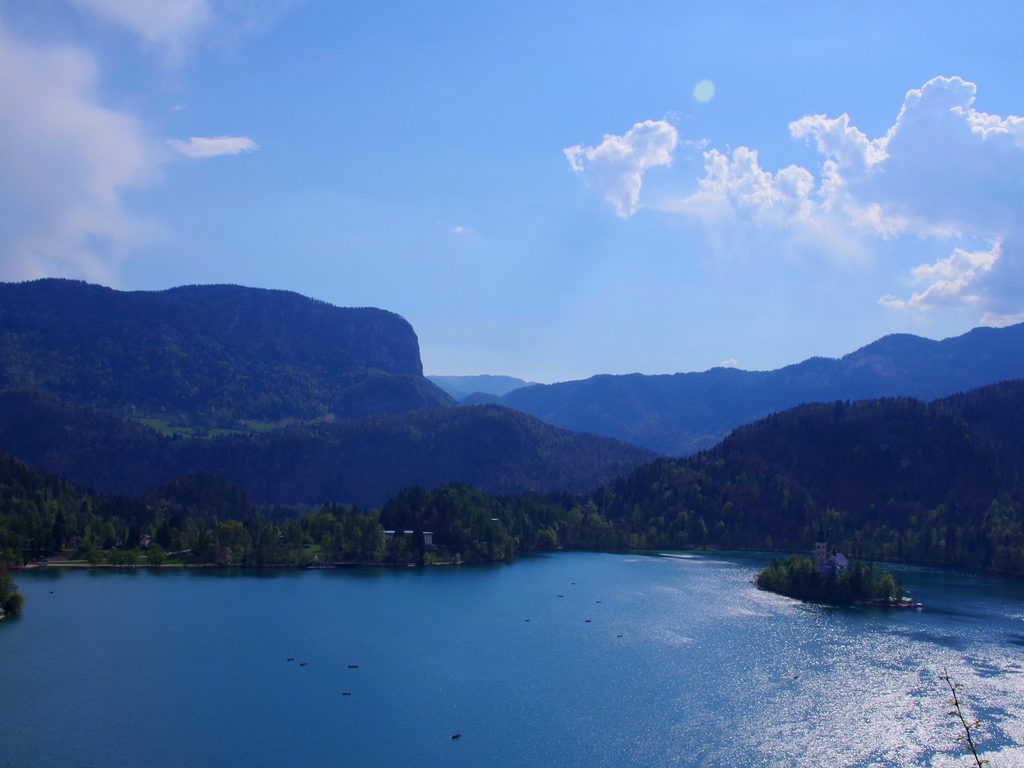
Slovenia is small enough that the mountains, lakes, valleys, karst landscapes and a short stretch of coast all sit within reach of one another. That changes how you plan: instead of long transfer days, you can usually keep driving to a manageable part of the day and spend the rest actually being somewhere.
The trade-off is that it is easy to overpack. Because everything looks close on the map, itineraries often end up with five or six stops a day and no time to enjoy any of them. The planning question worth answering first is not “what can I fit in?” but “where do I want to wake up?”
Think in base areas rather than a checklist of sights. Four broad areas cover most first and second trips.
A natural start or end point: compact, walkable and well connected to the rest of the country. Good for an easy arrival day and for day trips in several directions.
The classic lakes-and-mountains base. Expect busier lakeshores and quieter valleys nearby, so plan one slower day here rather than trying to see everything at once.
River valleys, mountain passes and small towns. A satisfying second base if you want scenic driving and outdoor days, and the reason many trips loop rather than backtrack.
Cave country and a short stretch of Adriatic coastline. Best treated as an optional add-on for longer trips or for travellers who want a couple of sea-facing days.
Every change of accommodation costs you a morning and an evening: packing, checking out, checking in, finding dinner in a new place. Fewer bases means more relaxed days but longer out-and-back drives. More bases means shorter drives but more admin.
A simple rule that holds up well: avoid single-night stays unless they genuinely unlock something, and never plan a move on the same day as a long activity.
High-level outlines rather than hour-by-hour itineraries — deliberately under-filled so there is room for weather, detours and slow mornings.
Opens a new plan with Slovenia and 5 days filled in. Choose your stops and bases in the app.
Opens a new plan with Slovenia and 7 days filled in. Choose your stops and bases in the app.
Opens a new plan with Slovenia and 10 days filled in. Choose your stops and bases in the app.
Travelling with small children? See Slovenia with kids, our family-rated guide to bases and places. Adding a neighbouring country? Slovenia connects easily to the Adriatic via the Croatia road trip planner and to the Alps via the Austria road trip planner. For a warmer island alternative, see the Cyprus road trip planner or browse the current EasyRoad destinations.
Turn these outlines into a real day-by-day trip you can follow on the road.
Start planning without an account. Optional paid plans are shown in the app before purchase.