Istria
Hill towns such as Motovun inland, Rovinj and Pula on the coast. Short distances, so one base can cover the whole peninsula with easy day trips. A strong choice for a first week, especially arriving from Slovenia or Italy.
Croatia is long and narrow, which makes route order the most important decision of the whole trip. This guide shows how the regions connect, where islands genuinely add something, and what a realistic 7, 10 or 14 day drive looks like.
EasyRoad is in Early Access. Croatia is planned by region rather than nationwide, and live opening hours or ferry schedules are not verified.
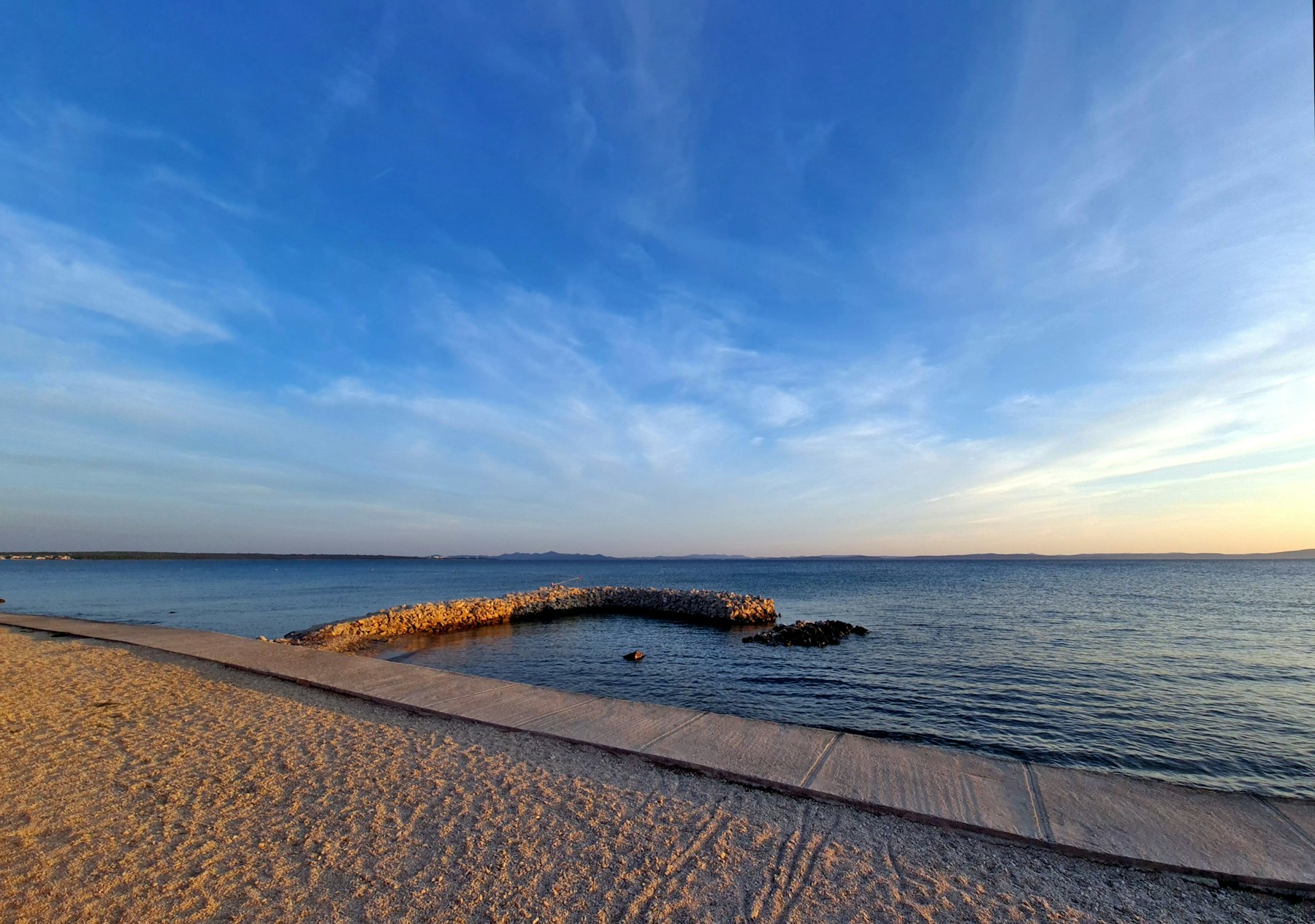
Photo: Frank Eiffert / Unsplash
Almost everything worth stopping for sits on a single ribbon of coast plus a short inland band behind it. A car lets you use the small coastal roads, reach old towns outside the cruise-ship hours, and stop at a bay simply because it looked good from the car — none of which works well on a bus schedule.
The catch is the country's shape. Croatia stretches for hundreds of kilometres from Istria to Dubrovnik, so an itinerary that lists both ends plus three islands turns into a driving holiday. The useful question is not how far south you can get, but how many regions you can give proper time to.
Think in regions with a base each, roughly north to south. Most good trips use two or three of these — not all of them.
Hill towns such as Motovun inland, Rovinj and Pula on the coast. Short distances, so one base can cover the whole peninsula with easy day trips. A strong choice for a first week, especially arriving from Slovenia or Italy.
Opatija, Rijeka and the northern islands. Often used as a bridge between Istria and Dalmatia, but it also works as a quieter base if you prefer sea views and short drives to big-name old towns.
The inland route. Zagreb suits an arrival or departure day, and Plitvice and the Lika region sit on the natural line between the capital and northern Dalmatia — a green, lake-and-forest contrast to coastal days.
Zadar and Šibenik in the north, Split and Trogir in the centre, the Makarska stretch and Dubrovnik in the south. Each part deserves its own base; treating Dalmatia as one region is the most common way trips get too tight.
Croatia is one of the few European trips where a one-way route usually beats a loop. Flying into one end and out of the other removes an entire return drive, and that day is worth more than any single sight you could add with it.
Two rules save the most time here: never move accommodation on the same day as a boat trip or national park, and keep old-town arrivals out of the middle of the day, when parking is hardest.
Outlines rather than hour-by-hour plans — deliberately under-filled so there is room for a slow harbour lunch or a change in the weather.
Opens a new plan with Croatia and 7 days filled in. Choose your stops and bases in the app.
Opens a new plan with Croatia and 10 days filled in. Choose your stops and bases in the app.
Opens a new plan with Croatia and 14 days filled in. Choose your stops and bases in the app.
Combining countries? Croatia pairs naturally with Slovenia via Istria — see the Slovenia road trip planner — or with the Alps on an Austria road trip. For a warmer, smaller island trip, read the Cyprus road trip planner.
Turn these regions and outlines into a day-by-day trip you can actually follow on the road.
Start planning without an account. Optional paid plans are shown in the app before purchase.